Humidity Control

Dehumidifying – Which System Do You Choose?

Dehumidifying – Which System Do You Choose?

When looking at the best drying solution for a client, and choosing one dehumidifying option over another, our initial research places equal emphasis on the necessary air temperature and the desired humidity level.

Case Study - Precision Seed Storage. Engineered for Stability.

Case Study - Precision Seed Storage. Engineered for Stability.

A purpose-built commercial seed storage room engineered to maintain stable 5°C temperature and 30% relative humidity year-round.

Case Study - Humidity Control for Glass Lamination

Case Study - Humidity Control for Glass Lamination

Cooling Brothers Glass replaced ageing systems with Humiscope desiccant dehumidifiers, achieving precise 22 °C and 20% RH for high-quality glass lamination and reliable performance in Perth’s demanding climate.

Commercial Cool Rooms and Humidity

Commercial Cool Rooms and Humidity

Desiccant dehumidifiers are designed to control moisture in the air to reduce humidity and condensation. These systems are the ideal choice for commercial cool rooms, cold storage and process freezers -reducing ice build-up and fog and combating mould and bacterial growth plus increasing refrigeration efficiency.

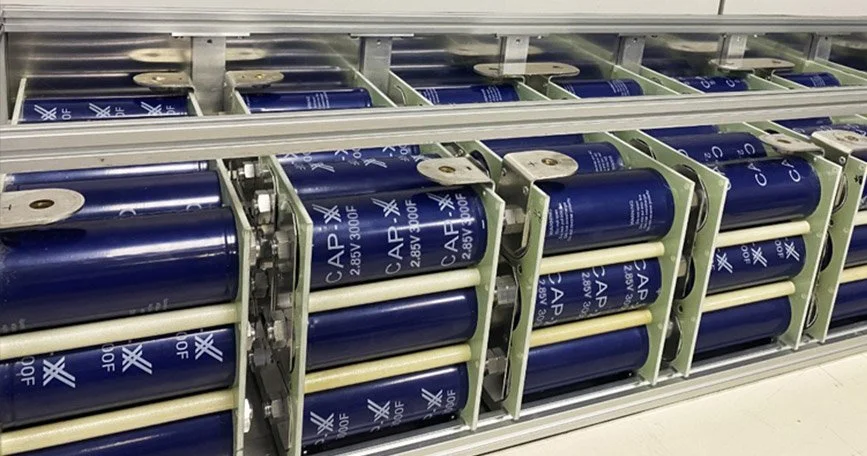
Case Study - Humiscope Designs Ultra Dry Room for Global Alternate Energy Battery Producer

Case Study - Humiscope Designs Ultra Dry Room for Global Alternate Energy Battery Producer

International manufacture of sustainable alternate energy batteries contracts Humiscope to design and build an ultra low humidity, low dew point, ultra dry room.

Sandblasting: How Dehumidifiers Prevent Corrosion

Sandblasting: How Dehumidifiers Prevent Corrosion

Anyone who has lived in Australia knows that the humidity can climb despending on the season. That’s okay if you are hanging out on the beach with a long, cold drink in hand, but humidity is not good if you want to avoid substrate surface corrosion during and immediately after abrasive blasting.