

Dehumidifiers for Dry Ageing
Precision Humidity Control for Commercial Dry Ageing Rooms
“This is the best set up I’ve ever seen! It has sped up our curing time and improved the quality of the meat”

Dry ageing is a craft and the environment you age in matters just as much as the product itself.
In commercial dry ageing rooms, inconsistent humidity and temperature can lead to excess moisture, mould growth, product loss, and inconsistent ageing results.
Humiscope provides commercial-grade desiccant dehumidifiers for dry ageing facilities, butcheries, meat rooms and hospitality venues. Our systems maintain stable, low-humidity, low-temperature conditions for safe, high-quality dry aged meat.
Request an Assessment
We respond within 24 hours.
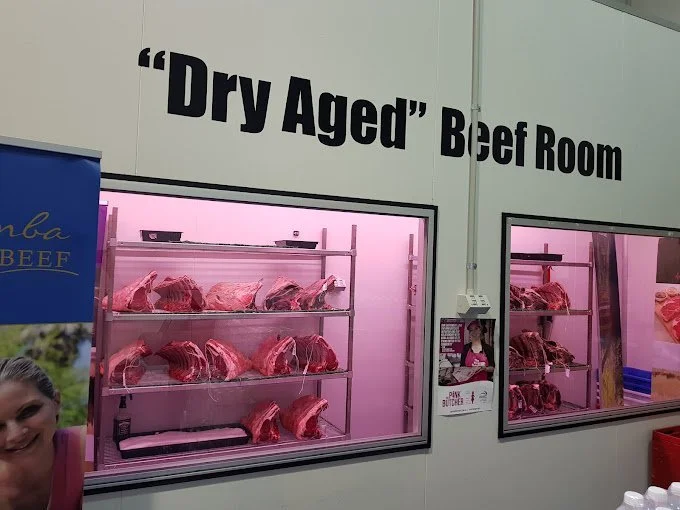
Dry Aged Meat Rooms
Dry ageing traditionally involves hanging or racking beef in a controlled cold room for a minimum of 28 days. During this time, natural enzymes break down muscle fibres, enhancing tenderness, while moisture reduction concentrates and intensifies the meat’s flavour.
To achieve this safely and consistently, the environment must be tightly controlled.
Food Safety Plan Requirements
Without stable humidity, dry ageing becomes unpredictable, leading to excessive trim loss, mould growth, wet surfaces, product variability and reduced yield.
Commercial dry ageing rooms typically operate at:

Temperature:
-0.5°C to +3°C

Air speed:
0.2–0.5 m/s

Relative Humidity:
75–85%
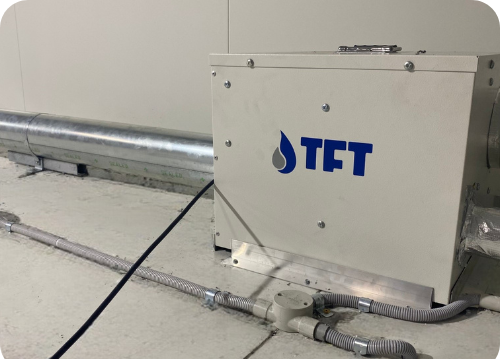
Why Desiccant Dehumidifiers Are Ideal for Dry Ageing
Traditional methods such as salt blocks have been used for centuries to passively absorb moisture. While they offer minor humidity reduction, these methods cannot deliver active, precise or consistent control - especially in modern commercial environments.
Desiccant dehumidification offers a far more advanced and reliable solution.
Benefits of desiccant dehumidifiers in dry ageing rooms
Maintain consistent humidity within strict commercial ranges
Operate effectively at low temperatures above freezing
Prevent condensation, fogging and moisture pooling
Reduce mould risk and improve food safety
Promote ideal rind formation and ageing consistency
Reduce trim loss and increase yield
Keep display windows clear for retail showcase rooms
Reduce load on refrigeration systems

Transform Your Existing Cold Room
A desiccant dehumidifier allows you to upgrade a standard cold room into a controlled dry ageing environment without major reconstruction.
Dry ageing rooms typically run slightly above freezing. At these temperatures, moisture in the air would normally condense or freeze on surfaces, disrupting the ageing process. Desiccant technology prevents this by extracting moisture before it can freeze, ensuring optimal conditions throughout the entire ageing cycle.
This results in:
Less downtime
Reduced maintenance
Better consistency batch after batch
Higher-quality dry aged meat
CASE STUDY
Super Butcher Eagle Farm
We spoke with store manager Danny Nielson who has been in the industry for over 40 years. After installing a Humiscope desiccant dehumidifier in their dry ageing room, he shared:
“This is the best set up I’ve ever seen. It has sped up our curing time and increased the quality of the meat”.
~ Danny Nielson, Store Manager, Super Butcher Eagle Farm..
Ready to Build the Perfect Dry Ageing Environment?
Chefs and butchers seeking to achieve optimal dry-aged meats are advised to consider utilising commercial desiccant dehumidifiers for improved outcomes. At Humiscope we have decades of experience in this technology and we custom design our desiccant dehumidifiers specific to each application.

Read our article comparing the salt method and a desiccant dehumidifier
The controlled environment of the dehumidifier facilitates consistent moisture removal, resulting in a desirable dry aged crust and intensified flavour profile.
While the salt block method has potential benefits, such as a lower upfront cost, it will struggle to maintain uniform humidity levels, have greater weight loss and will yield less consistent results, leading to uneven moisture distribution and surface dryness.
FAQ
These frequently asked questions address the key concerns chefs, butchers and facility managers have when designing or upgrading a commercial dry ageing environment.
-
Dry ageing requires a tightly controlled environment to prevent mould growth, excessive moisture, and product variability. Without stable humidity, ageing becomes unpredictable, leading to trim loss, wet surfaces and reduced yield. Desiccant dehumidifiers provide the precision needed to maintain safe and consistent conditions throughout the ageing cycle.
-
Yes. A desiccant dehumidifier allows you to upgrade a standard cold room without major reconstruction. The unit extracts moisture before it can freeze - an issue in near-freezing environments - ensuring stable humidity and consistent results batch after batch.
-
Salt blocks offer minor passive moisture absorption, but they cannot maintain the strict humidity levels required for commercial dry ageing. This often leads to uneven drying, inconsistent rind formation and increased weight loss. Desiccant dehumidifiers provide active, precise control for reliable results and superior product quality.
-
Commercial dry ageing rooms typically operate at:
Temperature: –0.5°C to +3°C
Air speed: 0.2–0.5 m/s
Relative humidity: 75–85%
These ranges promote safe moisture reduction while enhancing tenderness and flavour development.
-
Desiccant technology helps:
Maintain consistent humidity within strict tolerances
Prevent condensation, fogging and moisture pooling
Reduce mould risk and improve food safety
Increase yield by reducing trim loss
Support ideal rind formation and consistent ageing results
Reduce load on refrigeration systems and minimise downtime