

Learn how to choose between refrigerant and desiccant dehumidifiers for effective humidity control. Discover which system suits your temperature, moisture, and energy requirements.

How controlled humidity improves seed viability, reduces risk, and supports consistent outcomes in storage environments.
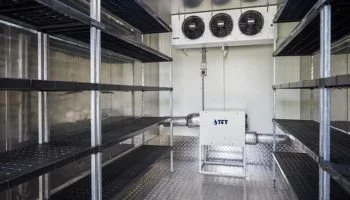
When it comes to preserving seed viability and quality, humidity control is just as crucial as temperature. In a cold room environment, excess moisture can quietly erode the integrity of stored seeds, causing fungal growth, weight fluctuations, and reduced germination rates. By comparing two identical cold rooms - one with a desiccant dehumidifier and one without…
Drying concrete effectively depends a lot on the ambient relative humidity and air temperature, as well as the temperature of the slab itself. Dehumidifiers rapidly and effectively dry concrete and can reduce concrete drying time from weeks to days
When it comes to preserving seed viability and quality, humidity control is just as crucial as temperature. In a cold room environment, excess moisture can quietly erode the integrity of stored seeds, causing fungal growth, weight fluctuations, and reduced germination rates. By comparing two identical cold rooms - one with a desiccant dehumidifier and one without…
Many dehumidifiers as well as the majority of refrigerators, freezers and air-conditioning units contain refrigerants that damage the environment. Synthetic greenhouse gases (SGGs) are now widely used as refrigerants in dehumidifiers, fridges and air-conditioning units. However, desiccant type dehumidifiers contain no refrigerant gas