

Improving Seed Storage Outcomes with Controlled Humidity
Seed storage is a critical aspect of maintaining the viability and quality of seeds for future use. Controlling humidity levels within a storage environment is essential to prevent moisture-related damage such as germination loss, fungal growth, and deterioration.
Seed stored at 30-40% RH maintains viability significantly better than seed exposed to fluctuating humidity (60–80%), even where temperature is controlled.
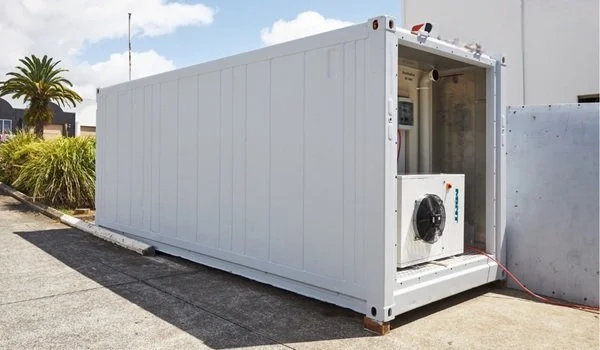
A short overview of how controlled seed storage systems are configured in real applications:
Two examples of how this approach has been implemented in practice:
Seed Storage Projects (Real Applications)
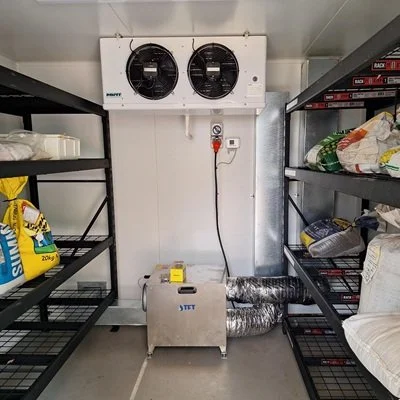
Purpose Built Seed Storage Facility
Western Australia
READ THE CASE STUDY
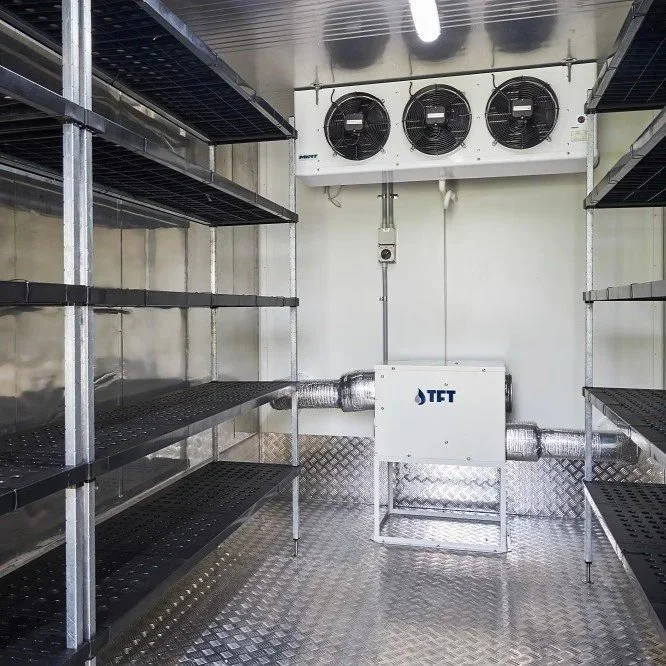
Turnkey Seed Storage Containers
Northern Territory
READ THE CASE STUDY
PROVEN RESULTS IN REAL LIFE APPLICATIONS
“All reports onsite are the units are functioning well and the Rehab Team(s) are very happy with their new assets
Mead Ludwig-Bohan, Project Coordinator, South32
If seed storage forms part of your rehabilitation or closure planning, we are happy to share practical design considerations based on similar projects.
Why this Matters in Rehabilitation Programs
Seed is often stored across multiple seasons, locations, and deployment stages. While temperature is typically controlled, unmanaged humidity can lead to gradual declines in viability, increased fungal risk, and inconsistent germination outcomes.
Maintaining stable humidity conditions helps preserve seed quality and reduces variability at the point of use.
What we typically see on projects
Temperature is well controlled, but humidity fluctuates
Storage conditions vary between locations or over time
Seed is held longer than originally planned
Viability issues only become visible at deployment
How humidity control improves outcomes
Maintains consistent seed moisture content
Reduces fungal growth and contamination risk
Improves germination consistency at deployment
Supports longer-term or staged storage programs
Where this approach is used
Mine rehabilitation and closure programs
Environmental seed banks and storage facilities
Research and controlled agriculture environments
Remote or staged deployment projects
Humiscope has worked with many storage and preservation applications. With seed storage, we have seen the benefits of using a desiccant dehumidifier within a cold room environment, and the pitfalls when dehumidification is not used.